THE FRAMEWORK IS MEETING WITHOUT MALIKI: ACCELERATING GOVERNMENT FORMATION AND SECURING EMBASSIES – URGENT
The Coordination Framework held its periodic meeting No. (264) at the Government Palace in Baghdad, on Tuesday afternoon, March 3, 2026, to discuss national, regional and international developments, in a meeting that witnessed the absence of the leader of the State of Law Coalition, Nouri al-Maliki.
In a statement received by Al-Sa’a Network, the participants stressed “the need to expedite the completion of constitutional requirements, particularly the formation of a government that serves the national interest and strengthens political consensus,” emphasizing “the importance of reaching a national consensus that preserves the unity and stability of the country.”
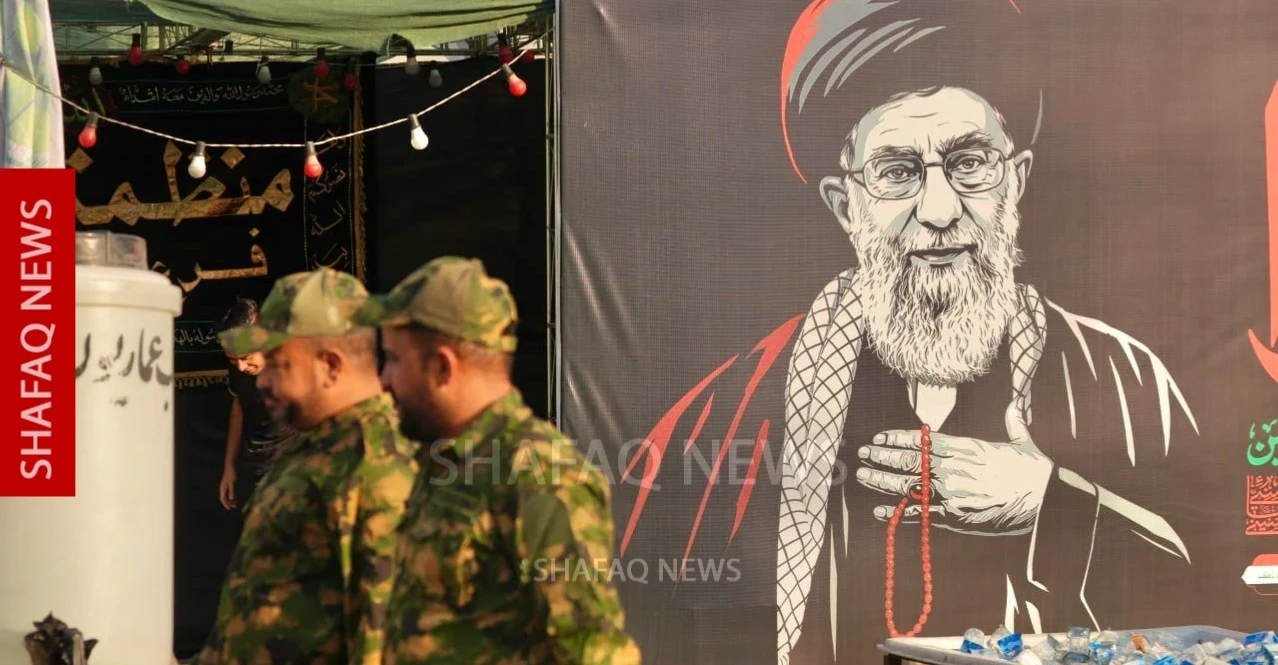
The framework praised what it described as “popular condemnation of the crime of targeting Imam Khamenei,” calling for “expressing grief and solidarity with the Iranian people within the legal frameworks and freedom of expression.”
He also renewed his support for the government and security forces in all their formations, stressing “the need to preserve sovereignty, enforce the law, and protect public and private property, in addition to providing protection for diplomatic missions and embassies, in light of the current security tensions.”
The framework called for “an immediate halt to what it described as aggression against the Islamic Republic, and called on international bodies to assume their responsibilities in supporting stability and security in the region.”
The stormy meeting of the Coordination Framework comes at a highly sensitive political moment, following an article by the head of the Supreme Judicial Council, Judge Faiq Zaidan, which reopened one of the most controversial files since 2005, namely the interpretation of the concept of the “largest parliamentary bloc” contained in Article (76) of the Constitution.
In 2010, the Federal Court interpreted that the largest bloc could be formed after the election results were announced through alliances within the House of Representatives, not necessarily the list that won the largest number of seats. This interpretation later became a point of frequent political conflict, as it is directly linked to the process of assigning a candidate to form the government.
In his article, Zaidan criticized what he described as the flaws of the previous interpretation, considering that it contradicted the apparent meaning of the text and weakened political stability. He proposed three paths for addressing the issue: an explicit constitutional amendment linking the largest bloc to the electorally winning list, amending the House of Representatives law to establish the definition of the bloc in the first session only, or the Federal Court reconsidering its previous interpretation
.
This proposal coincided with escalating controversy within the framework regarding the nomination of Nouri al-Maliki for the premiership, amidst political objections and pressing regional and international circumstances.
According to reports, any amendment or reinterpretation of the concept of the largest bloc could completely rearrange the landscape, especially if the right to form the government is granted to the electorally winning list, which could reopen the door for the current Prime Minister, Mohammed Shia al-Sudani, whose coalition won the largest number of seats.
Thus, the debate is no longer purely legal, but has become intertwined with the balance of power within the Shiite political establishment, and with the calculations of the next stage, in light of a clear conflict between those who adhere to the 2010 interpretation and those who push for readjusting the constitutional equation in a way that redefines the “largest bloc” and changes the course of government formation.