script async="" crossorigin="anonymous" src="https://pagead2.googlesyndication.com/pagead/js/adsbygoogle.js?client=ca-pub-6009082504355829">
Tuesday, March 17, 2026
FOUR MONTHS AFTER THE IRAQI ELECTIONS: THE WAR MAY LEAD TO AN EXTENSION OF AL-SUDANI’S TERM
FOUR MONTHS AFTER THE IRAQI ELECTIONS: THE WAR MAY LEAD TO AN EXTENSION OF AL-SUDANI’S TERM.
More than four months after the Iraqi parliamentary elections, Baghdad remains mired in a profound political deadlock. The winning parties have been unable to form a new government, and the internal situation is further complicated by infighting among political blocs and conflicting regional and international interests.
This impasse raises questions about the future of the democratic process and the possibility of the caretaker government, headed by Mohammed Shia al-Sudani, remaining in power longer than anticipated, especially given the escalating military tensions in the region between Iran, the United States, and Israel.
The elections, held amid promises of restoring political stability and ending the state of division, produced a complex parliamentary landscape that prevented any coalition from forming a clear majority government, plunging the country back into a cycle of protracted negotiations and shifting alliances. With disputes persisting over the distribution of sovereign and ministerial posts, the post-election period has become a true test of the Iraqi political system’s ability to produce a stable executive authority within constitutional timeframes.
In contrast, the Iraqi scene is no longer separate from the accelerating regional developments, as the Middle East is witnessing a military escalation and an exchange of threats between international and regional powers, which has directly affected the political calculations within Iraq, as it is a sensitive arena of balance between American and Iranian influence.
A new security and political reality
Mahmoud Al-Hayani, a member of the Coordination Framework, told Al-Araby Al-Jadeed that “regional security developments and the escalating military tensions between Iran, the United States, and Israel, along with the involvement of some Iraqi factions in the confrontation, have directly impacted the course of political dialogues regarding the formation of the new Iraqi government, and political priorities have shifted towards managing security risks and avoiding an executive vacuum in the country.”
Al-Hayani explained that “the exceptional circumstances that the region is going through have imposed a new political and security reality inside Iraq, which has led to a clear slowdown in the negotiations to form the government, after most of the discussions between the political forces turned to how to protect internal stability and prepare for any possible repercussions of the regional conflict.”
He added that “the escalation of military tension and the possibility of expanding the scope of the confrontation have prompted the forces of the Coordination Framework to reassess their political options. There is a trend within the framework that supports renewing the mandate of Prime Minister Mohammed Shia Al-Sudani, considering that the current stage requires the continuation of the same executive leadership to ensure the stability of security and administrative decisions, and to avoid entering into a governmental vacuum that could benefit the parties affected by the crisis.”
Al-Hayani added that “there is another opinion within the coordination framework that leans towards keeping the current government and granting it full powers instead of it continuing as a caretaker government, through political and legislative understandings that allow it to make urgent strategic decisions to confront any security or economic emergency that may result from the ongoing war in the region.”
He revealed that “the coordination framework is conducting intensive consultations with other political forces to reach a national consensus that prevents the disruption of state institutions. The current stage requires realistic decisions far removed from traditional political rivalries, because any governmental vacuum in light of regional tension may multiply the security challenges within the country. The coming days will witness crucial political meetings to decide the form of managing the transitional phase, whether through renewing the mandate of the current government or temporarily establishing its full powers, in order to ensure the state’s readiness to confront the possible scenarios resulting from the military escalation in the region.”
Disagreements are the “key factor”
For his part, political analyst Hussein al-Asaad told Al-Araby Al-Jadeed that “linking the delay in forming the new government to the military tensions in the region does not reflect the full picture of the political crisis in the country. Internal disputes between political forces are still the main factor in disrupting dialogues, and not just the escalation between Iran, the United States and Israel.”
At least 4 members of the Popular Mobilization Forces were killed in a bombing in western Iraq.
At least four members of the Popular Mobilization Forces were killed in a bombing of the city of Qaim, which borders Syria in western Iraq, two security sources told AFP on Monday.
A security official reported that “4 members of the Popular Mobilization Forces security were killed and three others were wounded (…) in a bombing that targeted their presence at the ‘Martyr Haider’ checkpoint at the entrance to the city of Al-Qaim” in Anbar province.
For his part, another security official said that the strike, which he attributed to the United States, resulted in the deaths of five personnel. He explained that the targeted checkpoint housed “members of the Popular Mobilization Forces, the Anbar Operations Command, and the Federal Police.”
CLARE & MILITIAMAN: Syria & Iraq Financial Update: Syrian Pound Replacement and Digital Dinar Developments
Syria & Iraq Financial Update: Syrian Pound Replacement and Digital Dinar Developments
Recent updates from Syria and Iraq reveal significant progress in financial reintegration and economic stabilization. From Syria activating its US Federal Reserve account to Iraq’s ongoing digital dinar and REER integration, these developments indicate a strategic push toward global financial integration, even amid conflict.
Syria’s Central Bank: US Federal Reserve Account Ready
According to Abdul Qader al-Hasriya, Governor of the Central Bank of Syria:
Syria’s account at the US Federal Reserve Bank is now ready and operational and will be activated soon.
This follows intensive efforts starting in July 2025 as part of Syria’s reintegration into the global financial system.
The
US Treasury Department and the US Presidential Envoy described this as a historic move, marking Syria’s return to the correspondent banking system.
Featured Snippet:
Syria’s Central Bank account at the US Federal Reserve is now operational, allowing the country to re-enter the global correspondent banking system and accelerate economic reintegration.
Syrian Pound Replacement Progress
Approximately 40% of the 42 trillion old Syrian pounds in circulation has already been replaced.
The replacement process is progressing smoothly and is expected to script async="" crossorigin="anonymous" src="https://pagead2.googlesyndication.com/pagead/js/adsbygoogle.js?client=ca-pub-6009082504355829">
This step reflects Syria’s commitment to monetary reform and economic stability, even amid geopolitical challenges.
Iraq: Digital Dinar and REER Integration
A boots-on-the-ground analysis highlights key points for Iraq:
Iraq is advancing digital dinar adoption, ISO-2022 compliance, and global integration strategies.
Integration into a REER (Real Effective Exchange Rate) tie-in ensures a managed currency adjustment while maintaining economic stability.
Reliable Cyan flow and higher capacity in oil production provide diversified inflows to pad reserves.script async="" crossorigin="anonymous" src="https://pagead2.googlesyndication.com/pagead/js/adsbygoogle.js?client=ca-pub-6009082504355829">
Oil production is expected to resume at 1–2 million barrels per day, showing resilience amid conflict.
Gatekeepers and investors continue to see stability and growth potential.
Google Discover Snippet:
Iraq shows economic resilience amid conflict with digital dinar integration, REER tie-ins, and resumption of full-capacity oil production, signaling long-term stability.
Key Takeaways
Syria’s US Federal Reserve account activation is a major step toward global financial reintegration.
Replacement of the old Syrian pound is progressing steadily, targeting faster implementation after Eid al-Fitr.
Iraq’s digital dinar and REER strategy, supported by diversified oil flows, demonstrates resilience and economic foresight.
Both countries are signaling stability, growth potential, and integration into global financial markets, even under challenging conditions.
Q&A: Understanding the Syria & Iraq Updates
Q1: What does Syria’s Fed account activation mean?
A1: It allows Syria to re-enter the global correspondent banking system, enabling smoother international transactions and financial reintegration.
Q2: How much of the Syrian pound has been replaced?
A2: Around 40% of the circulating 42 trillion old Syrian pounds has been replaced, with accelerated rollout expected post-Eid al-Fitr.
Q3: What is Iraq’s REER integration?
A3: The Real Effective Exchange Rate (REER) integration manages currency valuation adjustments to maintain economic stability and investor confidence.script async="" crossorigin="anonymous" src="https://pagead2.googlesyndication.com/pagead/js/adsbygoogle.js?client=ca-pub-6009082504355829">
Q4: How is Iraq’s oil production supporting stability?
A4: With 1–2 million barrels per day, diversified oil inflows strengthen reserves, support the digital dinar, and reinforce economic resilience.
Q5: Are these developments positive for investors?
A5: Yes, both Syria and Iraq are showing signs of stability, growth potential, and preparedness for global market integration, making them promising from an investment perspective.
Stay Connected
Follow Dinar Evaluation for the latest insights on Syria, Iraq, and global financial developments:
Telegram: https://t.me/DINAREVALUATION
Facebook: https://www.facebook.com/profile.php?id=100064023274131
Twitter/X: https://x.com/DinaresGurus
Hashtags
#SyriaFinance #SyrianPoundReplacement #IraqDigitalDinar #REERIntegration #OilFlowResilience #EconomicStability #GlobalFinance #CentralBankUpdates #MiddleEastEconomy #FinancialReintegration
Clare
Article: "The Central Bank of Syria announces developments regarding the replacement of the Syrian pound and the date for activating its account with the US Federal Reserve"
Quote: "The Governor of the Central Bank of Syria, Abdul Qader al-Hasriya, confirmed that Syria’s account at the US Federal Reserve Bank is now ready and operational and will be activated soon, following intensive efforts that began last July as part of Syria’s reintegration into the global financial system...the announcement of the reactivation of the account was met with a direct welcome from the US Treasury Department and the US Presidential Envoy, who described the move as historic ...Having an active account at the US Federal Reserve Bank allows Syria to return to the correspondent banking system...Regarding the replacement of the new currency...about 40% of the circulating cash mass of 42 trillion old Syrian pounds has been replaced...noting that the process is proceeding smoothly and is expected to accelerate after Eid al-Fitr."
Militia Man
Digital dinar, ISO-2022, global integration...integration in a REER tie-in, reliable Cyan flow plus higher capacity...diversified inflows and padding for their reserves - all foundational for a managed REER adjustment. And shows Iraq is resilient amid conflict. Gatekeepers and investors will still see stability and growth potential...I see this as promising, oil flow resuming through Cyan with full capacity at 1 to 2 million barrels per day...I think this is big. I think this really positive. Even during mid-conflict these guys are still showing signs they're not stopping.
MILITIAMAN: IQD News Update-Iraq's Quiet Path-Global Financial Integration-#iqdnews
Read also:
Bank appointment for Currency EXCHANGE Instructions/Checklistscript async="" crossorigin="anonymous" src="https://pagead2.googlesyndication.com/pagead/js/adsbygoogle.js?client=ca-pub-6009082504355829">
Baghdad condemns attack on PMF positions in Al-Anbar
Introduction
On Monday, Iraq’s military condemned a deadly attack targeting the Popular Mobilization Forces (PMF) in Al-Anbar province, marking one of the deadliest strikes against security forces in the region this year. The assault resulted in eight fatalities and seven injuries among PMF members, highlighting ongoing security challenges along the Iraqi-Syrian border.
This post explores the attack, the government response, the wider implications for Iraq’s sovereignty, and what it means for regional stability.
📍 Where the Attack Happened: Al-Qaim District
The attack took place at a PMF checkpoint near the Jabab checkpoint in Al-Qaim district, western Al-Anbar province. Al-Qaim, a strategic area near the Iraqi-Syrian border, has been a hotspot for military incidents due to its proximity to conflict zones in Syria.
The assault was reported as an airstrike, emphasizing both the sophistication of the attackers and the ongoing risks to Iraqi security forces in border regions.
🧑✈️ Official Response: Baghdad Speaks Out
Iraq’s military spokesperson, Sabah al-Numan, strongly condemned the attack, labeling it a “treacherous and cowardly act.” Key statements from the military include:
Rejection of attacks on PMF: Al-Numan emphasized that targeting the PMF is a direct violation of Iraq’s sovereignty.
Recognition of sacrifices: The PMF has been critical in liberating Iraqi territories from extremist groups, making the attack a blow to national security.
Government stance: Such attacks are viewed as assaults on official forces under the command of Iraq’s armed forces.
⚠️ Casualties and Immediate Impact
The airstrike resulted in:
8 PMF fighters killed
7 wounded
This incident underscores the continuing threats to security forces operating along Iraq’s western border and raises concerns about possible escalations in military confrontations.
🌐 Broader Security Context
Al-Anbar province has seen repeated attacks on PMF units, often attributed to cross-border tensions and regional militias. This incident highlights:
The fragility of Iraq’s western borders
The ongoing conflict dynamics with non-state actors
Regional security implications, as such attacks can strain Iraq’s internal stability and international relations
Q&A: Key Questions Answered
Q1: Who is the PMF?
A1: The Popular Mobilization Forces (PMF) are an Iraqi state-sanctioned group operating under the command of the Iraqi armed forces, primarily focused on counter-terrorism and border security.
Q2: Where is Al-Qaim district?
A2: Al-Qaim is in western Al-Anbar province, near the
Iraqi-Syrian border, making it a strategic location for controlling cross-border movement and security.
Q3: Why did Baghdad condemn this attack?
A3: The attack targeted an official Iraqi force, violating national sovereignty and threatening the stability of security operations in critical regions.
Q4: What are the regional implications?
A4: Repeated attacks on PMF units can increase tensions along Iraq’s borders, complicate counter-terrorism efforts, and affect Iraq’s diplomatic relations with neighboring countries.
💡 Featured Snippets / Highlights for Google Discover
Iraq’s military condemns PMF attack in Al-Anbar, killing 8 and wounding 7.
PMF checkpoint near Jabab, Al-Qaim district, targeted in a deadly airstrike.
Baghdad calls the strike a violation of national sovereignty and security.
🔗 Follow Our Latest Updates
Stay updated on Iraq security news and PMF developments through our channels:
Blog: Dinar Evaluation
Telegram: DINAREVALUATION
Facebook: Dinar Gurus
Twitter/X: Dinares Gurus
YouTube: DINAR REVALUATION
📌 Hashtags
#IraqNews #PMF #AlAnbar #IraqiSecurity #MiddleEastConflict #AlQaim #Airstrike #IraqUpdate #BaghdadNews #PMFAttack
Baghdad condemns attack on PMF positions in Al-Anbar
Iraq’s military spokesperson, Sabah al-Numan, on Monday condemned an attack targeting positions of the Popular Mobilization Forces (PMF) in Al-Anbar province that killed eight and wounded seven members of the force.
In a statement, Al-Numan described the incident as a “treacherous and cowardly attack” that targeted a PMF checkpoint in Al-Qaim district, near the Iraqi-Syrian border. “We affirm our absolute and categorical rejection of the violation of pure blood or any attempt to target the brave members of the security forces in the Popular Mobilization Forces,” al-Numan stated, adding that targeting an official force operating under the command of the commander-in-chief of the armed forces and that had made sacrifices in the fight to liberate Iraqi territory constitutes “a blatant attack on the country’s sovereignty.”
Earlier on Monday, an airstrike targeted a security checkpoint near the Jabab checkpoint in Al-Qaim district, in Iraq’s western Al-Anbar province.
ARIEL: When This Bill Finally Passes, Be Ready: Big Banks, Stablecoins & Digital Asset Transformation
When This Bill Finally Passes, Be Ready: Big Banks, Stablecoins & Digital Asset Transformation
The crypto and financial worlds are buzzing. From new legislation like the GENIUS Act to major banks exploring stablecoin issuance and tokenized deposits, this is shaping up to be a pivotal moment for currency evolution — and your exchange strategy.
This article breaks down what’s coming, why it matters, how it changes traditional finance, and how holders should prepare.
What Is the Crypto Structure Bill and Why It Matters
The GENIUS Act (Guiding and Establishing National Innovation for U.S. Stablecoins Act) is landmark U.S. legislation that provides a regulatory framework for stablecoins — digital assets pegged to traditional currency or assets designed to combine the stability of fiat with digital efficiency.
Key Features of the Law
Establishes federal regulatory guardrails for stablecoins.
Requires stablecoins to have 1:1 backing with safe assets
(cash, T-bills, or equivalents).Standardizes auditing, reserve reporting, and compliance.
Applies to both banks and non-bank issuers under clear legal definitions.
Featured Snippet:
The GENIUS Act creates regulatory pathways for banks and private entities to issue regulated stablecoins with full reserve backing and auditing standards.
The bill is already signed into law and is ushering in a regulated stablecoin era that bridges traditional finance and blockchain.
Why Major Banks Are Actively Preparing
Institutional adoption of stablecoins isn’t theoretical — it’s happening now:
JPMorgan Chase, Bank of America, Citigroup, and Wells Fargo are exploring stablecoin development and deposit tokenization.
Bank of America plans to launch its own stablecoin. script async="" crossorigin="anonymous" src="https://pagead2.googlesyndication.com/pagead/js/adsbygoogle.js?client=ca-pub-6009082504355829">
JP Morgan’s digital tokens (like JPM Coin and JPMD) indicate strategic blockchain integration.
Institutions are positioning for programmable, blockchain-linked settlement systems with legal clarity provided by lawmakers.
This shift signals a mainstream movement toward digital assets within regulated banking environments, nothing like unregulated crypto experiments of the past.
What This Means for Exchanges and Holders
When the bill’s provisions are fully implemented:
1. Tokenized Assets Will Become Standard
Banks will operate systems using tokenized deposits and blockchain-linked settlements, speeding up clearing and settlement of digital currencies and assets. Traditional timelines (days for transfers) may dissolve as blockchain rails offer near-immediate movement.
2. Stablecoins Will Bridge Crypto and Fiat
Institutions will issue stablecoins backed by real reserves, not algorithms — that’s more security and transparency than most crypto markets today. This opens the door for:
Institutional adoption
Peer-to-peer settlements
Interbank blockchain clearing systems
3. Self-Custodied Wallets and Direct Delivery
Funds may transfer directly to compliant wallets, bypassing legacy intermediaries entirely. This is already being tested with licensed entities receiving paths to Fed master account access under regulatory frameworks.
Featured Snippet:
Institutional stablecoins and tokenized assets supported by major banks will enable faster settlement and direct distribution to compliant wallets, reducing reliance on legacy systems.
script async="" crossorigin="anonymous" src="https://pagead2.googlesyndication.com/pagead/js/adsbygoogle.js?client=ca-pub-6009082504355829">
Q&A: Your Biggest Questions AnsweredQ1: Will this destroy traditional banking?
A1: Not immediately — but it places pressure on old correspondent banking models and accelerates innovation. Banks will adapt by tokenizing services within regulatory guardrails.
Q2: Are these stablecoins safe?
A2: Regulated stablecoins under GENIUS Act rules must be fully backed with liquid assets and audited, offering transparency that many older stablecoins lack.
Q3: Will my exchange be instant?
A3: As systems mature, blockchain-linked settlement will make conversions and transfers significantly faster than current multi-day legacy processes.
Q4: What banks will support this?
A4: JPMorgan Chase, Bank of America, Citigroup, Wells Fargo, and other major institutions are actively exploring or building solutions.
Q5: Should you be worried about intermediaries?
A5: The new framework is designed to minimize third-party deductions and hidden fees — meaning holders could keep more of the value they negotiate.
Why This Is a Turning Point
As the world moves toward regulated, compliant digital assets, you’re not just hearing noise — you’re witnessing a shift toward a programmable financial future. This includes:
Tokenized deposit services
Stablecoin-backed liquidity
Direct accessibility for holders
Institutional adoption and legal clarity
The groundwork is being laid now — and when the full provisions roll out, the way currency moves could look fundamentally different.
Stay Connected for More Updates
To keep ahead of crucial developments like this one, follow Dinar Evaluation on all major platforms:
Telegram: https://t.me/DINAREVALUATION
Facebook: https://www.facebook.com/profile.php?id=100064023274131
Twitter/X: https://x.com/DinaresGurus
🔥 Hashtags
#CryptoStructureBill #GENIUSAct #Stablecoins #DigitalAssets #BlockchainBanking #TokenizedFinance #CryptoRegulation #FutureOfMoney #FedwireRevolution
Ariel: When this Bill Finally Passes, be Ready
This Is Why I Just Sit Back And Laugh: You Are Hearing This Directly From The US Administration
Hold Your Currency People
I gave you everything you should be looking for. This year will mark a major turn around for all of us.
Iran will open their market to the US.
script async="" crossorigin="anonymous" src="https://pagead2.googlesyndication.com/pagead/js/adsbygoogle.js?client=ca-pub-6009082504355829">
Venezuela will open their markets to the US.
Zimbabwe will open their market to the US.
Ec
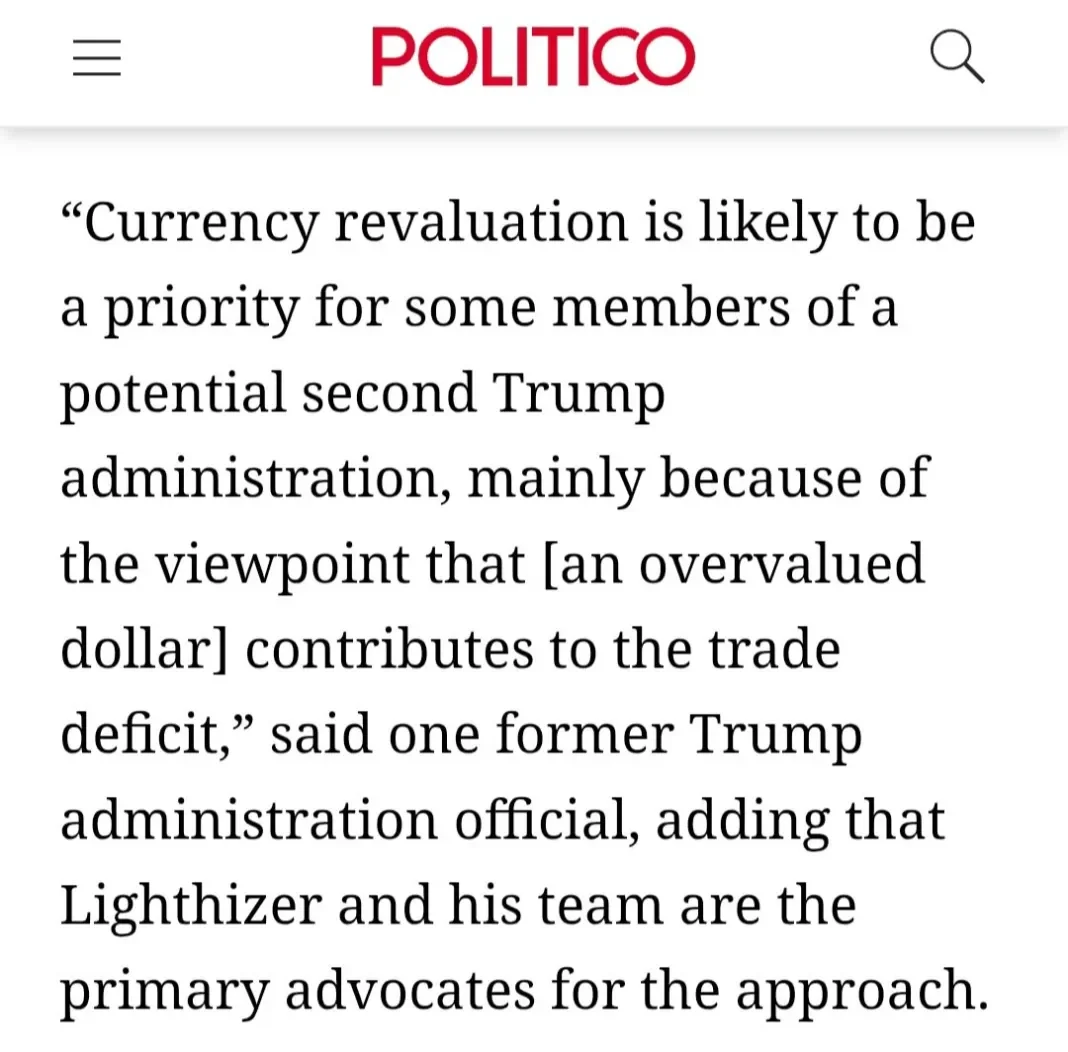
Do you know how many articles I have of the currency revaluation?
You thought that was the only one?
By the way Institutions like JPMorgan, Bank of America, Wells Fargo, and Citibank, which have expanded into tokenized deposits and stablecoin issuance under GENIUS Act rules, will facilitate exchanges.
Their systems now support programmable, blockchain-linked settlements for digital assets, including tokenized foreign currencies, with direct Fedwire access for faster clearing. So once it is time to exchange please check out those banks.
Of course there will be more.
One last note please keep in mind that once you exchange your money will most likely not be going back under the old system. Here is why.
Liquidity is going to be delivered as tokenized assets (gold/silver-backed stablecoins or digital currency equivalents) directly to the holder’s self-custodied wallet or compliant digital-asset account.
This bypasses SWIFT, correspondent banks, and legacy Fedwire clearing entirely no Rothschild intermediary touches the principal.
You understand?
Exchanges executed through Kraken Financial, Ripple-linked entities, or GENIUS Act-compliant banks use direct Fed master account access or blockchain bridges.
Funds move peer-to-peer or institution-to-wallet without being parked in fractional-reserve Rothschild-aligned commercial banks first.
You should feel very confident about your exchanges.
The Crypto Structure Bill enforces transparent, settlements with minimal or zero intermediary deductions. Legacy systems (where Rothschild networks extract taxes, currency-conversion fees, wire charges, and hidden spreads) are short-circuited
holder receives near-100% of negotiated value.
So when this bill passes be ready to finally get this over with.
~Happy Travels
🚨 $25 Dinar Rumors Explode — But Insiders Say $4–$6 May Be the Real Target
🚨 $25 Dinar Rumors Explode — But Insiders Say $4–$6 May Be the Real Target
🔥 The $25 Dinar talk is going viral… but not everyone is buying it.
Right now, investors are split between extreme hype and more realistic expectations.
👉 So what’s REALLY going on?
💥 The $25 Dinar Claim (Why Everyone Is Talking)
Recently, rumors suggesting a $25 per IQD rate have spread तेजी across the community.
- Massive upside potential 💰
- Life-changing expectations 🚀
- Social media buzz everywhere
⚠️ But here’s the issue:
👉 There is no solid confirmation backing this number.
📉 The More Realistic Range? $4–$6
Many long-time watchers and analysts are pointing instead to:
💵 $4 – $6 range
Why?
- Aligns more closely with past discussions
- Matches more consistent intel patterns
- Seen as more structurally plausible
💡 Key insight:
This range appears far more frequently than extreme projections.
🧠 Why the Gap Is So Big
So why are people saying $25?
👉 It comes down to:
- Speculation without verification
- Misinterpretation of financial concepts
- Viral amplification on social media
🔥 Reality check:
Higher numbers spread faster — but aren’t always grounded.
🏦 What Actually Matters (And Everyone Forgets)
At the end of the day:
👉 Only ONE place confirms the truth:
Banks during live exchange
✔️ Real rate
✔️ Real process
✔️ Real payout
Until then → everything is unconfirmed discussion
📌 Quick Takeaways
✔️ $25 Dinar rumors are spreading fast
✔️ No verified data supports that number
✔️ $4–$6 appears more consistently discussed
✔️ Final rates will only be known at banks
❓ Quick Q&A
Is $25 possible?
👉 No confirmed evidence.
What range is most discussed?
👉 $4–$6.
Should I trust rumors?
👉 Always verify — most are speculative.
🔗 Read Full Breakdown
👉 https://dinarevaluation.blogspot.com/2026/03/25-dinar-rumors-shake-investors-but_0665684501.html
🚀 Follow for Updates
🌐 https://dinarevaluation.blogspot.com/
📢 https://t.me/DINAREVALUATION
🔥 Hashtags
#Dinar #IQD #DinarRV #CurrencyRumors
#ForexIntel #FinancialNews #RVUpdate
Subscribe to:
Posts (Atom)