Tuesday, January 27, 2026

MNT GOAT: STATUS OF THE RV: Why a Maliki Return Could Delay Everything — and Why He’s Likely to Be Blocked

Featured Snippet 

Could Nouri al-Maliki delay the RV?
Yes. A return of Nouri al-Maliki as prime minister would likely stall reforms, investor confidence, and monetary progress. However, strong opposition from Kurds, MPs, and voters makes his return increasingly unlikely.


Introduction: Buckle Up — Iraq Is Heading Into a Volatile Week

Oh boy… oh boy.

If you’ve been waiting for fireworks in Iraq, this week may deliver.

This is shaping up to be a pivotal political moment, not just for Iraq’s government formation — but for the future timing of the RV itself.

So buckle down, relax, and let’s walk through what’s really happening.


STATUS OF THE RV: Why Leadership Matters

Let’s be very clear:

If Nouri al-Maliki somehow regains power as prime minister, we could be in for a long, frustrating wait for the RV.

History matters.
Credibility matters.

Stability matters.

And Maliki’s previous two terms were anything but stabilizing.


The Media Illusion: Why Maliki Looks “Popular” Right Now

One reason we are seeing so many positive headlines about Maliki is simple:

👉 He owns or controls much of the Iraqi media landscape.

So naturally:

  • Favorable coverage is amplified

  • Opposition voices are muted

  • Propaganda cycles repeat

But media dominance does not equal public support.


The Reality on the Ground: Iraqis Don’t Want Him

The average Iraqi citizen has already spoken — at the ballot box.

Maliki’s support among voters is weak.
Public trust is damaged.
Memories of corruption and dysfunction remain fresh.

And then there’s another major obstacle…


The Kurdish Factor: A Serious Roadblock

The Kurds will have a major say in any prime minister nomination.

And the Kurds are not forgetting:

  • Maliki’s disastrous prior terms

  • Political marginalization

  • Broken agreements

If Maliki’s name is even formally proposed, expect the Kurds to say:

“Not so fast.”


Is His Nomination Even Real? Or Just Propaganda?

There is growing evidence that Maliki’s so-called nomination may itself be media-driven propaganda pushed by outlets he influences.

Even if his name is floated:

  • It does not mean consensus

  • It does not mean approval

  • It does not mean ratification

Which brings us to parliament.


Parliament Reality Check: MPs Can Block Him

Even if Maliki were nominated, Members of Parliament must ratify the choice.

And the facts are clear:

  • A majority of MPs have already indicated opposition

  • Many have publicly stated they would deny him the position

This alone makes a third Maliki term extremely unlikely.


This Week Is Critical: The Presidential Announcement

This week, Iraq is expected to:

  1. Announce a candidate for president

  2. The new president then nominates a prime minister

  3. The PM-designate must form a cabinet (new government)

Every step is vulnerable to political pressure — especially now.


The Coordination Framework Push — and the Catch

Reports claim the Coordination Framework intends to nominate Maliki and push the announcement this week.

But there’s a catch.

👉 Kurdistan.

And Kurdistan is not playing along quietly.


Key Article #1: Zebari Signals “Surprises Ahead”

In an article titled:

“ZEBARI ON MALIKI’S NOMINATION AND THE PRESIDENTIAL ELECTION DATE: THE COMING DAYS ARE FULL OF SURPRISES”

Hoshyar Zebari of the Kurdistan Democratic Party stated:

Nominating Maliki and setting election dates does not mean the three presidencies or government formation is settled.

He emphasized:

  • The process is not finalized

  • Political twists remain

  • The coming days are “full of surprises”

⚠️ Pay attention to that language. It matters.


Key Article #2: Sudani’s Chances Improve Again

Another critical report titled:

“SUDANI’S CHANCES ARE IMPROVING AGAIN… NEW INFORMATION REVEALED BY MP AL-LUWAIZI”

MP Abdul Rahman Al-Luwaizi stated clearly:

Claims of handing the premiership to Maliki are “untrue in word and deed.”

He stressed that:

  • No official concession exists

  • Political reality points elsewhere

  • The nomination path is shifting

So what should we believe?

👉 Stick to facts, not headlines.


The Bigger Question: Why Consider Maliki at All?

This is the question many are asking:

Why would Iraq even consider returning to a figure associated with failure?

For many observers, it defies logic.
It defies reform goals.
It defies common sense.

It would be like repeating a mistake everyone already paid for.


What This Means for the RV

Let’s be honest:

  • Maliki = delay

  • Reform leadership = progress

  • Stability = confidence

  • Confidence = RV conditions

The growing resistance from Kurds, MPs, and political blocs strongly suggests maximum pressure is being applied to block Maliki.

And that is good news for reform — and for the RV timeline.


Q&A: Key Questions Answered

Would Maliki’s return delay the RV?

Very likely, due to credibility issues, reform resistance, and international concerns.

Is Maliki officially confirmed as nominee?

No. Reports remain disputed and may be politically motivated.

Can the Kurds stop him?

Yes. Kurdish opposition is a major obstacle.

Do MPs support Maliki?

Most indications suggest a parliamentary majority would reject him.

Is there still hope for reform leadership?

Yes. Alternative candidates, including Sudani, remain viable.


Final Thoughts

This is not a done deal.
This is not settled.
And this is far from over.

The political pressure is building.
The contradictions are surfacing.
And the so-called inevitability of Maliki is unraveling.

Fireworks may indeed be coming — but not in the way his supporters expect.


Stay Connected & Informed

🔗 Blog: https://dinarevaluation.blogspot.com/
📢 Telegram: https://t.me/DINAREVALUATION
📘 Facebook: https://www.facebook.com/profile.php?id=100064023274131
🐦 Twitter/X: https://x.com/DinaresGurus
📺 YouTube: https://www.youtube.com/@DINARREVALUATION


 Hashtags

#StatusOfTheRV #IraqRV #NouriAlMaliki #IraqPolitics
#RVUpdate #IraqiDinar #GovernmentFormation
#Kurdistan #IraqElections #EconomicReform
#GlobalFinance #MiddleEastPolitics

STATUS OF THE RV

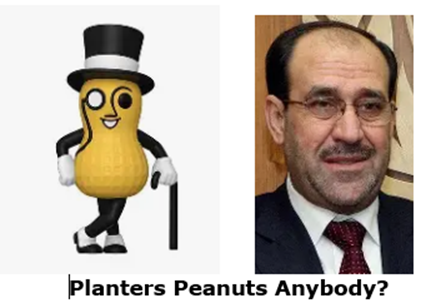
This peanut head guy Nori al-Maliki is desperate for power. If he should get into power again as the prime minister we are in for a long wait for the RV. Note in today’s Newsletter how he can get blocked and probably will. He owns almost all the news media stations in Iraq and so go figure why we are seeing such favorable headlines about him. But the average citizens don’t want him and showed it at the ballot box, then there are the Kurds who will have a large say in his nomination, if it is even true that he was nominated. This is itself may be more propaganda from his own news stations. Then there are the parliament members (MPs) who would have to ratify the selection and the majority already said they would deny him the position. 
Oh boy, oh boy have I got news for you today! Buckle down, relax and let’s get to it. The proverbial ‘fireworks’ are about to begin in Iraq.

This week will be a pivotal week in Iraq. They are supposed to announce their candidate for president. As we know the new president then announces the nominee for prime minister that will then be tasks to form his cabinet (the news government).

We had news from Iraq that the Coordinate Framework intends to nominate Nori al-Maliki for prime minister. They want to push the announcement also to this week. However, there is going to be a catch from Kurdistan and I don’t think the Kurds are going to be so easy in letting Maliki have a third term based on his disastrous prior two terms. So, basically the Kurds are now saying not so fast…..

😊Oh there is still hope this Maliki stuff is not yet a done deal in two important articles. In the first article titled “ZEBARI ON MALIKI’S NOMINATION AND THE PRESIDENTIAL ELECTION DATE: THE COMING DAYS ARE FULL OF SURPRISES” from Sunday’s news in this article we find that Hoshyar Zebari, a leader in the Kurdistan Democratic Party, said that nominating Nouri al-Maliki as a candidate for prime minister and setting a date for the session to elect the president of the republic “does not mean that the determination of the three presidencies and the formation of the government has been decided,” noting that the coming days are “full of surprises and twists.”

This last set of sentences above are very important. Pay attention!

😊Then later yet another article follows titled “SUDANI’S CHANCES ARE IMPROVING AGAIN… NEW INFORMATION REVEALED BY MP AL-LUWAIZI”. In this bit of news we learn that MP Abdul Rahman Al-Luwaizi, from the Reconstruction and Development bloc, said that what is being circulated regarding an official concession or political marketing to hand over the premiership to the leader of the State of Law Coalition, Nouri Al-Maliki, is “untrue in word and deed,” stressing that the political reality indicates a different course in managing the nomination file. So what should we believe? We must stick to the facts about Maliki and keep asking what the hell are they thinking to even consider this idiot again to run the government. Heck more like “run-down” the government than run it.

I don’t know about you but when I read this these couple articles along with knowing how negative the Kurds are towards Maliki, this to me means they are going to exert maximum pressure to ensure Maliki is not the next prime minister. I have to keep going back to the thoughts of – what the hell are the Iraqi thinking of nominating Maliki in the first place? Have they really gone that far left. This is even more than just going to the far left, it's ‘stupid’ and defies all common sense. It is like Joe Biden having a second term as the US president. It simply does not make any sense.

https://mntgoatnewsusa.com/latest-mnt-goat-newsletter/

MNT GOAT: Iran’s Downfall and the Coming Reinstatement of the Iraqi Dina...

Iraqi Dinar Weakens Amid Washington’s Political Pressure; Gold Surpasses $5,100/oz

   Iraqi Dinar Weakens Amid Washington’s Political Pressure; Gold Surpasses $5,100/oz

The Iraqi dinar weakened to 151,500 per $100 amid U.S. political pressure, while global gold prices hit a historic record, surpassing $5,100 per ounce due to geopolitical risks.

The Iraqi dinar experienced a sharp decline in value against the U.S. dollar on Monday, fueled by a convergence of tightened electronic transfer regulations and escalating diplomatic pressure from Washington regarding the composition of Iraq’s next government.

The domestic currency volatility coincided with a historic surge in global commodities markets, where the price of gold surpassed $5,100 per ounce for the first time in recorded history, signaling a period of acute economic and geopolitical uncertainty.

Kaifi Mohammed, the spokesperson for the currency exchange market in the Kurdistan Region, stated on Monday, Jan. 26, 2026, that market stability has been directly undermined by a series of technical and political interventions.

According to Mohammed, the exchange rate for $100 reached 151,500 Iraqi dinars by midday, but he cautioned that the rate is unlikely to remain stable at its current level. Market projections suggest the currency could weaken further to 153,000 dinars per $100 in the coming hours as demand for foreign currency outstrips available supply.

Mohammed identified three primary catalysts for the dinar’s depreciation. He noted that procedures on the official currency transfer platform have been significantly tightened, creating a bottleneck that prevents merchants from obtaining the dollars necessary to conduct international trade.

This administrative friction is compounded by a hardening U.S. policy toward Baghdad. Washington has reportedly intensified its demands for the removal of militias from state decision-making centers, a move that has introduced a high degree of unpredictability into the local financial system.

Furthermore, Mohammed pointed to a broader shift in U.S. foreign policy under the Trump administration, which he characterized as increasingly transactional. He noted that Washington appears to be linking regional security and protection to direct financial payments, a stance that market participants view as a business-centric approach to geopolitics.

This perceived shift has led to increased anxiety among Iraqi merchants who, burdened by existing financial obligations and debts, have been forced to purchase dollars at prevailing market rates regardless of the cost, thereby driving the price higher.

The domestic currency strain is unfolding against the backdrop of an unprecedented rally in the global gold market. At the start of trading on the London Stock Exchange on Monday morning, the price of an ounce of gold breached the $5,000 threshold for the first time.

The metal’s ascent continued rapidly, rising by 2 percent to reach $5,093 before eventually settling above the $5,100 mark. Financial analysts noted that the speed of the increase is significant; gold first broke the $2,000 barrier in January 2024, and has more than doubled in value in the two years since.

Economic experts cited by market observers attribute the record-breaking gold prices to three main drivers: a sharp increase in geopolitical risks across multiple global regions, sustained and large-scale bullion purchases by central banks, and market expectations that the U.S. Federal Reserve will continue to lower interest rates.

The convergence of these factors has reinforced gold's status as a primary haven for investors seeking to hedge against currency devaluations and political instability.

The local and global economic fluctuations are deeply intertwined with the deteriorating diplomatic relationship between Baghdad and Washington.

Abbas Jibouri, head of the Baghdad-based Rafid Center for Political and Strategic Studies, warned on Sunday that Iraq has reached a "dangerous crossroads."

Jibouri noted that U.S. threats to restrict Iraq’s access to its own oil revenues—which are deposited in the Federal Reserve Bank of New York—represent a potent economic pressure tool that could trigger a systemic "salary shock" and broad financial sanctions.

Because oil revenues account for more than 90 percent of Iraq’s state income, any disruption to the flow of dollars from the United States would have immediate and devastating consequences for public sector salaries and infrastructure projects.

Jibouri argued that the United States is increasingly viewing Iraqi governance through a security lens, particularly concerning the participation of armed groups in the next cabinet. He warned that any steps toward "legalizing weapons outside the framework of the state" could prompt Washington to freeze assets or impose severe banking restrictions.

This assessment is supported by recent reports from the Associated Press, which indicated that the United States has begun a strategy that observers describe as "economic suffocation" or "dollar starvation."

According to the report, Washington is leveraging its recent access to Venezuelan oil to manage global energy markets. By reintroducing Venezuelan exports to the world stage, the U.S. administration believes it can mitigate price spikes even if Iraqi exports are disrupted by financial sanctions.

This suggests that the U.S. is now positioned to impose comprehensive sanctions on the Iraqi government itself rather than just targeting specific individuals or institutions.

The threat of economic isolation looms large as Iraqi political forces deliberate the formation of the next government. U.S. officials have explicitly warned that the inclusion of armed factions opposed by Washington in the next cabinet would likely trigger a suspension of dollar transactions.

Despite these repeated warnings, several groups and individuals the U.S. deems problematic have already secured, or are expected to secure, senior positions in the government.

Jibouri urged Iraqi political leaders to recognize that economic stability is now inseparable from political and security stability.

He argued that the only solution to the looming crisis is for Baghdad to adopt a governance model that consolidates the monopoly of force under state institutions and reassures international partners that the government will remain independent of external regional influences. 

Failure to achieve this balance, he warned, would place the heaviest burden on ordinary Iraqi citizens, who are already feeling the impact of the dinar’s fall and the rising cost of living.

As of late Monday, merchants in Erbil and Baghdad remained in a state of high alert, monitoring the currency exchanges for further signs of depreciation.

The historic high in gold prices serves as a global indicator of the same fears driving the local market: a world defined by intensifying power rivalries and a diminishing reliance on traditional rules of international cooperation. link


MNT GOAT Report: U.S. Pressure on Iraq Intensifies as Oil Dollar Control Collides With Iranian Influence

Featured Snippet 

Why is the U.S. pressuring Iraq right now?
As Iraq approaches a pivotal election phase, the United States is leveraging control over oil dollar flows to counter Iranian influence in Baghdad, warning of sanctions and potential dollar supply cutoffs if political alignments do not shift.


Introduction: Oil Dollars, Elections, and a Power Struggle

This is not just another political dispute.
This is about control.

Control of:

  • Oil revenues

  • Dollar liquidity

  • Political alignment

  • Regional influence

According to MNT GOAT, and reinforced by Financial Times reporting, Washington is escalating pressure on Baghdad as Iraqi elections approach — with Iran’s influence once again at the center of the storm.

Their words, not mine.


The Core Issue: U.S. Control of Oil Dollars

The United States maintains significant leverage over Iraq’s economy through control mechanisms tied to:

  • Dollar-clearing systems

  • Oil revenue settlements

  • Federal Reserve-linked accounts

  • International compliance frameworks

This leverage allows Washington to apply pressure without deploying troops or public ultimatums.

The message is simple:

Align — or lose access.


Washington’s Warning to Baghdad

According to Financial Times sources, Washington threatened to cut off dollar supplies to Iraq after Baghdad refused to replace Adnan Faihan as first deputy speaker of parliament.

Faihan is a former member of Asaib Ahl al-Haq, a group widely viewed by U.S. officials as aligned with Iranian interests.

This appointment triggered immediate backlash.


“Hostile Behavior and Defiance” — U.S. Embassy Reaction

The U.S. Embassy in Baghdad reportedly reacted with fury, labeling the move:

  • “Hostile behavior”

  • “An act of defiance”

The demand was clear:

Replace Adnan Faihan — or face sanctions.

This was not framed as diplomacy.
It was framed as enforcement.


Why This Week Matters: Iraqi Elections at a Critical Point

This week is considered pivotal for Iraqi elections.

Political alignments formed now will determine:

  • Control of parliament

  • The prime minister nomination process

  • Iraq’s geopolitical trajectory

Tensions have escalated sharply following Faihan’s election last month.

This is not coincidence.
This is timing.


The Maliki Question: Political Marketing or Reality?

Amid the chaos, rumors began circulating that an official concession had been made to hand over the premiership to Nouri al-Maliki, leader of the State of Law Coalition.

However, the Reconstruction and Development bloc strongly denied these claims.

Their statement was unambiguous:

“What is being circulated regarding an official concession or political marketing to hand over the premiership… is untrue in word and deed.”

They emphasized that:

  • No such deal exists

  • Political reality points to a different path

  • The nomination process remains open and contested


Iranian Influence: The Line Washington Will Not Cross

For Washington, this is not about one individual.

It is about:

  • Preventing Iranian-aligned factions from consolidating power

  • Maintaining leverage over Iraq’s financial system

  • Preserving dollar dominance in oil settlements

The oil dollar remains a strategic weapon — and Iraq is a critical battlefield.


Why Dollar Access Matters More Than Sanctions

Cutting off dollar supplies would:

  • Freeze trade settlements

  • Destabilize banking operations

  • Cripple imports

  • Trigger currency volatility

This is why the threat carries weight.

It is not symbolic.
It is systemic.


Bigger Picture: Iraq at the Crossroads

Iraq stands between:

  • U.S. financial architecture

  • Iranian regional influence

  • Internal political fragmentation

Every election cycle tightens this pressure.

This is not about democracy alone.
This is about who controls the flow of money.


Q&A: Key Questions Answered

Why is the U.S. pressuring Iraq now?

Because elections determine long-term alignment, and Washington is moving to limit Iranian influence before power structures solidify.

Who is Adnan Faihan?

A former member of Asaib Ahl al-Haq, elected as first deputy speaker of parliament, viewed by the U.S. as aligned with Iran.

Can the U.S. really cut off Iraq’s dollars?

Yes. The U.S. has leverage through dollar-clearing systems and oil revenue channels.

Is Nouri al-Maliki returning as prime minister?

According to the Reconstruction and Development bloc, claims of such a deal are false.

What happens if tensions escalate further?

Expect financial pressure first — sanctions, dollar restrictions, and liquidity controls — before any public escalation.


Final Analysis

This is a high-stakes chessboard.

Washington is not bluffing.
Baghdad is not unified.
Iran is not retreating.

Oil dollars remain the lever.
Elections are the trigger.

And this week could define Iraq’s direction for years to come.


Stay Connected & Informed

🔗 Blog: https://dinarevaluation.blogspot.com/
📢 Telegram: https://t.me/DINAREVALUATION
📘 Facebook: https://www.facebook.com/profile.php?id=100064023274131
🐦 Twitter/X: https://x.com/DinaresGurus
📺 YouTube: https://www.youtube.com/@DINARREVALUATION


 Hashtags

#MNTGOAT #IraqNews #OilDollars #USPressure #IraqElections
#MiddleEastPolitics #IranInfluence #DollarControl #Geopolitics
#Baghdad #Sanctions #GlobalFinance #EnergyPolitics

MNT GOAT

"US, IN CONTROL OF OIL DOLLARS, HEAPS PRESSURE ON IRAQ OVER IRANIAN INFLUENCE." FINANCIAL TIMES: WASHINGTON THREA ENED TO CUT OFF DOLLAR SUPPLIES TO IR BAGHDAD REFUSED TO REPLACE ADM FAIHAN (AND RID OF IRAN?

FACTIONS)

(This is a pivotal week for Iraqi elections)

"tensions have escalateá

Washington following the election of Adnan Faihan, a former member of Asaib Ahl al-Haq, firstdeputy speaker of parliament last month".

"The US embassy was furious and said this was hostile behavior and an act of defiance, and they demanded his replacement". (or else sanctions would be imposed) "the Reconstruction and Development bloc, said that what is being circulated regarding an official concession or political marketing to hand over the premiership to the leader of the State of Law Coalition, Nouri Al-Maliki, is "untrue in word and deed," stressing that the political reality indicates a different course in managing the nomination file". Lets' explore all these topics today in the Newsletter.

Their words not mine.....

MARKZ:🔔 Historic Bond Confirmations, Banking NDA Signals & Iraq Momentum...

An economist reveals four reasons behind the worsening dollar crisis in the markets.

  An economist reveals four reasons behind the worsening dollar crisis in the markets.

 Economic expert Nabil Al-Marsoumi revealed on Tuesday the reasons for the worsening dollar crisis in the parallel market, in light of the continued pressures related to imports and the shifts in trade routes after the implementation of the new import mechanism (ASCODA) and the activation of the customs tariff law.

Al-Marsoumi explained in a statement followed by the “Iraq Observer” agency that “the application of the ASYCUDA mechanism and the customs tariff has pushed a large part of imports to shift geographically towards the ports of the Kurdistan Region, which do not apply this mechanism.”

He added that “this shift has put significant pressure on the parallel dollar to finance trade with Türkiye, noting that about 2,000 containers of goods enter through the Ibrahim Al-Khalil crossing alone.”

He explained that “this pressure contributed to the rise of the dollar in the parallel market and its exceeding the 1,500 dinar mark per dollar, in conjunction with additional pressure resulting from trade with Iran, which amounts to about one billion dollars per month and is also financed from the parallel market.”

Al-Marsoumi believes that “the dollar will continue to rise until a balance is achieved between the cost of importing through Basra ports, which are financed at the official dollar rate, and the cost of bringing goods in through Kurdistan ports, which rely on the parallel dollar rate.”  link

Paul Gold Eagle: EBS–QFS Status Update as Signal Convergence Is Confirmed

Featured Snippet 

What is happening with the QFS and EBS right now?
After January 20, 2026, multiple financial systems entered a quiet synchronization phase aligned with Quantum Financial System (QFS) testing. According to Paul Gold Eagle, this is not a collapse but a controlled handoff designed to contain legacy exposure before public activation.


Introduction: Something Shifted — Quietly

Something changed after January 20, 2026.
Not in headlines.
Not in political speeches.
Not in media coverage.

It changed inside the systems.

According to Paul Gold Eagle, also known online as Mr. Pool, multiple financial networks entered what insiders describe as a “quiet synchronization window.” Payment rails paused, liquidity was rerouted, and backend ledgers began mirroring each other in preparation for a controlled transition.

This is not a crash.
This is a handoff.


EBS / QFS Status Update: Signal Convergence Confirmed

What Is a Quiet Synchronization Window?

A quiet synchronization window occurs when legacy financial systems run in parallel with a new architecture. During this phase:

This is how large-scale system replacements happen:
silently, gradually, and in parallel.


Unusual Bank “Maintenance Cycles” Explained

Between January 24–27, several U.S. regional banking systems entered extended maintenance cycles that do not match any historical upgrade pattern.

These pauses align with:

  • QFS compatibility testing

  • Asset verification procedures

  • Identity mapping

  • Transaction finality checks

Random? No.
Coordinated? Yes.


Understanding the Quantum Financial System (QFS)

The Quantum Financial System is:

  • Not a rumor

  • Not a front-end app

  • Not a public website

It is a backend financial architecture designed to eliminate:

  • Debt-based currency loops

  • Rehypothecation

  • Synthetic debt instruments

  • Endless rollover mechanisms

Key Difference

Traditional systems = debt-backed promises
QFS = asset-verified, ledger-final transactions

Once a transaction is finalized, it cannot be duplicated, altered, or recycled.


Why QFS Cannot Go Public Yet

Here’s the part most people miss:

QFS cannot go live for the public until legacy exposure is fully contained.

This explains the recent signals:

  • Quiet resignations in legacy banks

  • Sudden capital restrictions

  • “Temporary” withdrawal limits

  • Emergency liquidity facilities being exhausted

This is not collapse.
This is containment.


Critical Dates People Are Watching

January 28–31

  • Final backend audits

  • Wallet-mapping simulations

  • Stress tests across multiple U.S. nodes

🔒 Internal phase — no public announcements expected.

February 1–3

  • Controlled public signaling may begin

  • Possible EBS or encrypted alert activation

  • Regional, not nationwide

If activated, citizens may receive:

  • Secure SMS, email, or app notifications

  • One-time identity verification prompts

  • Wallet activation instructions

  • Debt status confirmation under the new ledger

⚠️ No public codes.
⚠️ No social media links.
⚠️ Everything direct and encrypted.

February 4–10

  • Tiered onboarding (often called Tier 4B)

  • This is operational sequencing, not privilege

  • Infrastructure stability comes first


Why Gold Still Matters (But Not How You Think)

Gold is not the headline.
Gold is the anchor layer.

QFS operates:

  • Digital in speed

  • Physical in backing

Gold acts as:

  • A stabilizer of value

  • A memory layer during transition

  • An asset reference point, not a speculative tool

No hype required.
No guessing games.


Why the Media Is Silent

Announcing a financial reset before containment is complete would cause panic.

That is precisely why:

  • Mainstream media stays quiet

  • EBS exists as a controlled communication mechanism

  • Public guidance happens only when the switch is ready

Those waiting for chaos will miss it.
Those watching the systems will recognize it.


The Bigger Picture: Coordination Over Chaos

We are not waiting for fireworks.
We are watching coordination.

The question is no longer if a reset happens.
The question is how smoothly it unfolds — and who is paying attention.

The signals are no longer scattered.
They are converging.

— Mr. Pool


Q&A: Common Questions Answered

Is the QFS officially live?

No. It is currently operating in parallel with legacy systems during containment and testing phases.

Will everyone receive an EBS alert at once?

No. Activation, if initiated, is expected to be regional and tiered to protect infrastructure stability.

Are social media posts part of the activation process?

No. All legitimate communications are expected to be direct, encrypted, and private.

Does this mean banks are collapsing?

Not collapsing — restructuring and containing exposure.

Is gold replacing digital money?

No. Gold anchors value while digital rails handle speed and scalability.


Final Thoughts

This transition will not look dramatic.
It will look organized.

Those expecting noise will overlook it.
Those observing the architecture will understand it.

Stay alert. Stay grounded. Stay informed.


Follow & Stay Connected

🔗 Blog: https://dinarevaluation.blogspot.com/
📢 Telegram: https://t.me/DINAREVALUATION
📘 Facebook: https://www.facebook.com/profile.php?id=100064023274131
🐦 Twitter/X: https://x.com/DinaresGurus
📺 YouTube: 
https://www.youtube.com/@DINARREVALUATION


 Hashtags

#QFS #EBS #PaulGoldEagle #MrPool #FinancialReset #QuantumFinancialSystem
#GoldBacked #SystemTransition #GlobalReset #BankingShift #AssetBacked
#SignalConvergence #FinancialAwakening #DigitalLedger #EconomicShift

Paul Gold Eagle: EBS-QFS Status Update from Mr. Pool, Signal Convergence Confirmed

Paul White Gold Eagle  @PaulGoldEagle

• EBS / QFS STATUS UPDATE — SIGNAL CONVERGENCE CONFIRMED

Something changed after January 20, 2026.
Not in headlines. Not in speeches.
In systems.

Multiple financial networks entered what insiders call a “quiet synchronization window.” Payment rails paused. Liquidity re-routed. Backend ledgers mirrored. This is not a crash. This is a handoff.

By January 24–27, several U.S. regional banking systems began extended “maintenance cycles” that do not match any historical pattern. These pauses are not random. They align with QFS compatibility testing — asset verification, identity mapping, and transaction finality checks.

This is how a new system replaces an old one:
silently, in parallel.

The Quantum Financial System (QFS) is not a rumor and not a front-end app. It is a backend architecture designed to eliminate debt-based currency loops and replace them with asset-verified, ledger-final transactions. No rehypothecation. No synthetic debt. No endless rollover.

Here’s the part most people miss:
QFS cannot go live for the public until legacy exposure is contained.

That’s why you’re seeing:

Quiet resignations in legacy banks

Sudden capital restrictions

“Temporary” withdrawal limits

Emergency liquidity facilities being exhausted

This is not collapse.
This is containment.

Now the dates people are watching closely:

January 28–31
Final backend audits, wallet-mapping simulations, and stress tests across multiple U.S. nodes. This phase is internal. You won’t hear about it.

February 1–3
Expected start of controlled public signaling. This is where EBS or a parallel encrypted alert system may begin limited activation. Not nationwide all at once. Region by region. Channel by channel.

If activated, citizens may receive:

Secure notifications (SMS / email / app-level)

One-time identity verification prompts

Wallet activation instructions

Confirmation of debt status under the new ledger

No codes sent publicly.
No links blasted on social media.
Everything is direct and encrypted.

February 4–10
This window is associated with Tiered onboarding, often referred to as Tier 4B. This is not “early access” or privilege. It’s order of operations. Large financial transitions cannot move everyone simultaneously without breaking infrastructure.

And yes — gold matters, but not how most think.

Gold is not the headline.
Gold is the anchor layer.

QFS is digital in speed but asset-backed in structure. Gold functions as the memory and stabilizer of value while the system transitions away from fiat illusion. Digital rails. Physical backing. No speculation required.

Why the media silence?

Because announcing a reset before containment is finished would cause panic.
This is why EBS exists — not to scare, but to guide when the switch is thrown.

We are not waiting for chaos.
We are watching coordination.

Those expecting fireworks will miss it.
Those watching the systems will recognize it.

The question is no longer if the reset happens.
The question is how smoothly it unfolds — and who is paying attention.

Stay alert.
The signals are no longer scattered.
They are converging.

Mr Pool

🚨 POST-EXCHANGE WEALTH MANAGEMENT BLUEPRINT (IQD Scenario Planning Guide)

🚨  POST-EXCHANGE WEALTH MANAGEMENT BLUEPRINT (IQD Scenario Planning Guide) 💡  Key Financial Strategies (Beyond Basic Exchange Planning) 1....