What is the importance of American companies visiting Iraq?
4/21/2025
- Baghdad
The Federation of Iraqi Chambers of Commerce affirmed on Monday that the visit of American companies is a message to the world that Iraq is a safe environment. It also explained that the visit resulted in an agreement on a regulatory framework for the private sector.
Abdul Razzaq Al-Zuhairi, head of the Federation of Iraqi Chambers of Commerce, said, "The visit of American companies to Iraq to invest and work with Iraqi businessmen is a positive and important step for Iraq.
"
He explained that "Iraq is a fertile environment, and the visit of American companies to Iraq is a positive message to all countries of the world that Iraq is a safe environment."
He added, "American companies have signed numerous agreements with the Iraqi private sector in the fields of electric power and renewable energy. The most important memorandum is the signing of a regulatory framework between the Iraqi and American private sectors by the American Chamber of Commerce and the Iraqi Chamber of Commerce."
He pointed out that "a number of American companies have signed agreements with the private sector, most notably the global company Google,which is seeking to enter Iraq. Its representative came and wrote a positive message about Iraq, stating that Iraq is safe, which is an important message to the world."
MILITIAMAN: Iraqi Dinar - News - WTO Data - International Companies - Air Travel - Security.
Highlights
Summary
In this informative video, the speaker, likely a financial or geopolitical analyst, discusses recent developments regarding Iraq’s economic reforms, its progress towards international trade integration, and overall stability.
Acknowledging support from their Patreon community, the speaker emphasizes the role of banking reforms in expediting Iraq’s entry into the World Trade Organization (WTO).
The conversation also touches on Iraq’s infrastructure projects, security improvements, and efforts to establish reliable aviation services that align with international safety standards.
The content highlights significant improvements in various sectors, including banking, infrastructure, and security, which are crucial for building international partnerships. Mention is made of the ongoing influential role of international companies in implementing major developmental projects. Lastly, there are calls for sustained economic and political partnerships within the Arab region as Iraq seeks to bolster its standing on the international stage.
☕ Freedom Forge Coffee Promotion: The speaker endorses different coffee blends and tinctures that enhance focus and well-being, providing a discount code for viewers.
🌍 Iraq and the WTO: A central theme emphasizes Iraq’s ongoing reforms to achieve full compliance with WTO regulations, essential for international economic integration.
🚧 I
nfrastructure Initiatives: Discussion on significant infrastructure projects, particularly a major ring road development, illustrating Iraq’s commitment to modernization.
🛫 Aviation Sector Developments: Iraqi Airways is making strides to achieve international operational safety certification, crucial for enhancing the travel experience into Iraq.
🔒 Security Improvements: Glowing assessments of security enhancements made by the Interior Ministry lend confidence to both nationals and international travelers.
🌱 Sustainable Development Focus: The narrative underscores the importance of sustainable practices in economic development, pointing to long-term strategies benefiting local and international stakeholders.
🤝 Collaborations with International Corporations: Ongoing dialogues between the Iraqi government and international firms aim to solidify investment and development efforts.
Key Insights
💼 Economic Reform as a Gateway to Global Trade: The speaker presents economic reform as pivotal for Iraq’s accession to the WTO, suggesting that a compliant currency and effective exchange rate will be essential. Such reforms facilitate alignment with international standards, vital for attracting foreign investment and modernizing Iraq’s economy.
📨 Role of the Banking Sector: The banking sector’s modernization is framed as a facilitator of international trade. By working in compliance with global financial practices, Iraq aims to strengthen its banking frameworks, thereby enhancing its economic stability and inviting investments from international players.
🔍 Focus on Infrastructure Development: The speaker provides an analysis of Iraq’s infrastructure projects, including the pivotal ‘Baghdad ring’ road initiative. The readiness of international companies to engage in these projects signals a broader trend of modernization, crucial for supporting economic activities and improving citizen mobility.
✈️ Importance of International Air Travel Standards: The mention of Iraqi Airways’ efforts towards obtaining the International Operational Safety Audit underscores the significance of safe air travel in fostering international relationships. An efficient airline system is essential for economic growth, tourism, and attracting global business interests, thus serving as a barometer for the country’s stability.
🛡️ Positive Security Climate: With recent security achievements being touted as the best since the 2003 invasion, the narrative enhances Iraq’s image as a viable destination for investment and tourism. Efforts by governmental bodies to ensure stability not only reassure citizens but also attract international travelers and investors.
⚒️ Sustainable Development Goals: The emphasis on sustainable initiatives reflects a modern approach to governance, suggesting that government leaders are seriously considering long-term benefits over short-term gains. This strategy enhances Iraq’s international image while addressing local needs, paving the way for holistic development.
👫 Regional Cooperation Dynamics: The speaker discusses Iraq’s engagement with neighboring Arab countries, indicating a shift toward fostering human connections and societal ties. Such diplomatic efforts can lead to stronger trade relations within the region, underscoring the broader implications of Iraq’s reintegration into global affairs.
In conclusion, the video paints a broad picture of Iraq’s ongoing transformations driven by perseverance in economic reforms, infrastructural enhancements, and security measures. By highlighting these endeavors, the speaker showcases optimism for Iraq’s future as it reopens for international cooperation and stability, setting the stage for significant changes that may resonate globally. The community engagement via platforms like Patreon adds a personal touch, fostering a dedicated following eager for updates and insights on these pivotal developments.
FRANK26: "OIL COMPANIES DEMAND TO GET PAID NOW... BECAUSE THEY KNOW ABOUT ARTICLE 140.".....F26
APIKUR Pushes for Written Agreements in Ongoing Kurdistan Region Oil Export Negotiations
4/20/2025
ERBIL —
Member companies of the Association of the Petroleum Industry of Kurdistan (APIKUR) reiterated their call for formal written agreements during the latest round of discussions with Iraqi and Kurdistan Regional Government (KRG) officials over the resumption of oil exports via the Iraq-Turkey pipeline.
The meeting, held on April 20, focused on the necessary conditions to restart oil flows that have been suspended for over a year. While all sides presented their positions on a range of technical and legal matters, no final agreements were reached.
APIKUR member companies emphasized the need for fair implementation of Iraq’s federal budget law, especially regarding the role and responsibilities of an independent consultant tasked with overseeing oil production and exports. They also stressed that any future arrangements must not infringe on existing contracts with international oil companies (IOCs), which have been upheld by Iraqi courts.
Crucially, APIKUR is seeking written agreements that provide clear guarantees on payment terms and the settlement of outstanding arrears. According to a statement from the organization, the member companies "did not receive satisfactory assurances" on these key issues during Saturday's meeting.
In an effort to move the talks forward, several APIKUR members have submitted draft sales and lifting agreements, along with detailed recommendations for the independent consultant’s scope of work, to both KRG and federal Iraqi officials.
Despite the lack of immediate progress, APIKUR reaffirmed its readiness to resume exports—contingent on securing signed agreements that protect the fiscal and economic terms of their existing contracts.
The talks come amid growing pressure to resolve the impasse, which has had significant financial implications for both the federal and regional governments, as well as oil companies operating in the Kurdistan Region.
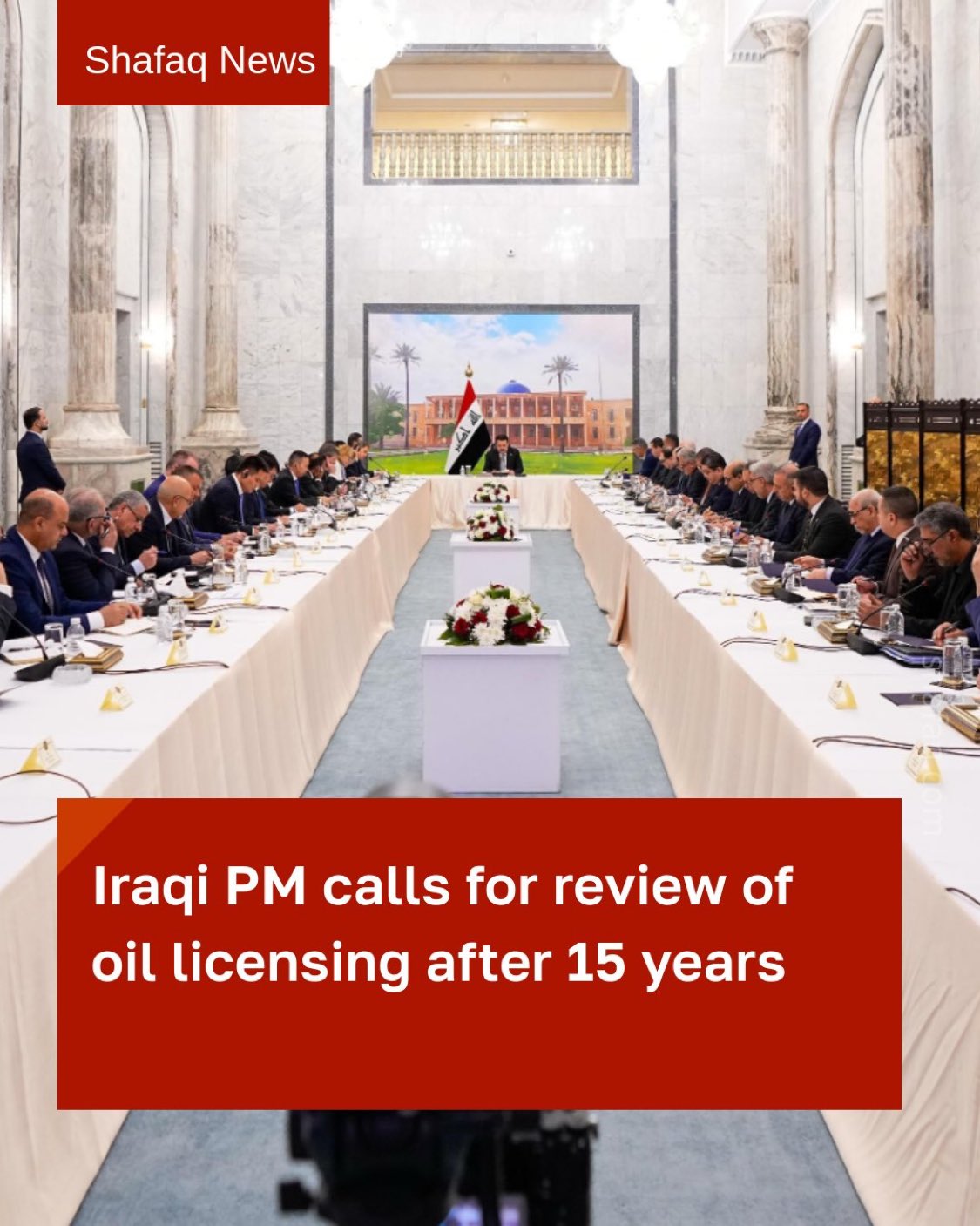
Iraqi Prime Minister Mohammed Shia’ al-Sudani has called for a comprehensive review of the country’s oil licensing contracts, marking a significant shift in Iraq’s energy policy after 15 years of technical service agreements (TSAs). This move aims to address financial inefficiencies, environmental concerns, and to attract more international investment into Iraq’s oil and gas sector.
Background: Technical Service Agreements
Since 2009, Iraq has engaged international oil companies (IOCs) through TSAs, where companies are paid a fixed fee per barrel produced. While this model helped boost production, it has been criticized for offering limited incentives for companies to invest in long-term infrastructure and for not aligning with Iraq’s broader economic goals.
The Push for Reform
Prime Minister al-Sudani has emphasized the need to transition from TSAs to more flexible contract models, such as production-sharing agreements (PSAs). This shift is intended to make Iraq’s oil sector more attractive to foreign investors and to better manage the country’s vast oil resources. The Prime Minister stated that the delay in reforming these contracts has resulted in significant financial and environmental losses for Iraq .
New Licensing Rounds
In line with these reforms, Iraq has launched the fifth supplementary and sixth licensing rounds, offering 29 oil and gas projects across 12 governorates. These rounds are expected to increase Iraq’s oil production by over one million barrels per day and gas production by more than 3.4 billion standard cubic feet per day . The government has also expressed a commitment to ending the flaring of associated gas within the next 3–5 years, aiming to reduce environmental damage and improve energy efficiency.
Challenges Ahead
Despite these initiatives, Iraq faces challenges in attracting a diverse range of international investors. Security concerns and bureaucratic hurdles have limited participation to primarily Chinese firms in recent bidding rounds. Analysts suggest that Iraq needs to further reform its contract models and improve the investment climate to draw interest from a broader spectrum of IOCs .
The Prime Minister’s call for a review of oil licensing contracts represents a pivotal moment for Iraq’s energy sector, with the potential to reshape its economic landscape and environmental footprint.
Rafidain Bank denied on Monday reports that payment cards had been suspended, confirming that Mastercard and Visa cards issued by the bank are operating normally inside and outside Iraq.
A statement from the bank, seen by Al-Eqtisad News, stated, “Rafidain Bank denies the rumours circulating regarding the suspension of payment cards.”
It confirmed that “MasterCard and Visa cards issued by the bank are operating normally inside and outside Iraq,
and no decision has been issued by MasterCard or the relevant authorities regarding their suspension.”
The bank called on citizens to ignore rumours and rely on news from official sources.