Thursday, March 20, 2025

, FRANK26: "THERE IT IS!!!" 20 MARCH

 KTFA

FRANK26: "THERE IT IS!!!"........F26


Iraq confronts economic crises with the "digital dinar." The parallel market is threatened with "extinction."


3/17/2025


- Baghdad


The Central Bank of Iraq is preparing to launch the digital dinar, marking the transition to digital currency management.
 
The digital dinar is a digital currency issued by the central bank, officially part of a country's monetary system. It is similar in value to the traditional dinar, but is traded electronically via digital wallets or approved financial applications. It facilitates instant money transfers within the country or across borders , reduces the logistical burden of issuing paper or metal currency, and enables broader segments of society to access digital financial services.
 
This project comes in light of the significant economic challenges facing Iraq, such as its heavy reliance on paper money and the phenomenon of hoarding. The digital dinar aims to address these challenges by providing a safe and effective digital alternative to paper money.
 
Central Bank Governor Ali Al-Alaq had previously stated during a speech he delivered at the Finance and Banking Conference and Exhibition that "the financial and banking system will witness fundamental transformations, including the decline of paper currencies and their replacement by digital payments for central banks." He explained that "the Central Bank is moving to create its own digital currency, which will gradually replace paper transactions, as is the case with some central banks around the world."
 
Mazhar Saleh Mohammed, the Prime Minister's advisor for financial and banking affairs and former deputy governor of the Central Bank, highlighted the importance of the digital dinar and its relationship to the dollar exchange rate in local markets.
 
Speaking to Al-Eqtisad News, Mohammed emphasized that the digital dinar is a global trend in the development of payment systems, particularly in the description of monetary units that will acquire digital rights bearing the same legal acquittal force issued by the monetary authority as banknotes in acquitting debts, as they are units of account, exchange, and storage of value within the digital economic community and via a highly sophisticated, rapid, and accurate information system.
 
He added that these monetary units will be used with high transparency to cover various real transactions of goods and services, as well as to settle small and large obligations. He noted that all exchange transactions will be transparently recorded between traders, up to the point of purchasing a loaf of bread, under the supervision of the monetary authority, thus ending the ambiguous or illegal uses of money once and for all.
 
Regarding the digital dinar's relationship to exchange rates, Al-Sudani's advisor explained that the official exchange rate will be the prevailing and sole rate, the digital exchange rate adopted by monetary policy. The parallel market will disappear in its current form, as it is difficult to invent a secondary digital market whose operations operate outside the control of the digital monetary authority. However, usurious digital markets may emerge among the same traders.
 
He pointed out that the digital cash system provides the banking system with sufficient digital cash liquidity to grant loans without the risk of liquidity risk within banking markets. This encourages investors to borrow easily, increases economic growth levels, and promotes sustainable development. It also facilitates access to global digital exchanges for global payments and settlements.
 
"Introducing digital currency requires two things," according to the Prime Minister's advisor. He explained that the first is a high level of public awareness of the digital monetary system, while the second is the availability of an advanced information, communications, and data technology infrastructure that evolves continuously over time.
 
He pointed to the need for a legal infrastructure to protect digital currency transactions, particularly in protecting users' rights to their income and wealth, which cybersecurity provides against any dangerous digital breaches.
 
Many questions are being raised about the digital dinar and its differences from cryptocurrencies, which economic expert Ziad Al-Hashemi answers.
 
Al-Hashemi points to a "significant difference" between digital currencies and cryptocurrencies: "The former are issued and regulated by central banks, such as the digital dollar and the digital dirham, while cryptocurrencies such as Bitcoin are not subject to any official authority and their value depends on supply and demand, making them highly volatile."
 
He stated that if the Central Bank of Iraq issues the digital dinar, it will be the sole entity controlling the issuance and distribution of the digital currency, facilitating oversight and preventing financial crimes, unlike cryptocurrencies, which operate on a decentralized system that is difficult to control.
 
He pointed out that the digital dinar will be fully backed by the central bank and have a relatively stable value, similar to paper currency. However, it will be traded electronically only through bank accounts and wallets, contributing to reducing the use of paper money, achieving financial inclusion, and reducing reliance on the dollar in daily transactions.
 
Al-Hashemi noted that the primary goal of this step is to eliminate the phenomenon of cash hoarding, whereby citizens keep large sums of money outside banks due to lack of confidence in the banking system. This hinders the flow of funds and negatively impacts economic activity. If the project is implemented well, the digital dinar could help disburse hoarded liquidity and stimulate lending and credit.


LINK

CURRENCY INSIDER:The Unsustainable Exchange Rate OF THE IRAQI DINAR

CURRENCY INSIDER:The Unsustainable Exchange Rate OF THE IRAQI DINAR

Summary

The recent updates concerning the Iraqi Dinar present a complex landscape shaped by both internal fiscal challenges and external geopolitical influences.

 Currency Insider’s discussion with various experts reveals substantial concerns regarding Iraq’s financial health amidst calls for a potential revaluation of its currency. 

Notably, analysts like Frank 26 highlight the unsustainable nature of the current exchange rate of 1310 Iraqi Dinars per US Dollar, suggesting that Iraq’s proposed budgets for 2025-2027 are unfeasible at this rate. 

The insights provided by other Gurus in the Dinar community illustrate a dynamic balance between Iraq’s economic potential, primarily driven by its oil reserves, and the swirling issues of inflation, unemployment, currency stability, and foreign investment.

Significant advancements in Iraq’s financial sector include the successful electronic collection of 6 trillion Iraqi Dinars by Rafadan bank, reflecting the modernization of Iraq’s banking infrastructure. Meetings between the Iraqi Central Bank and the International Monetary Fund (IMF) also reveal a cautiously optimistic forecast regarding IRAQ’s non-oil GDP growth, signaling a possible shift towards economic diversification. However, underlying tensions rooted in Iranian influences complicate the situation, raising questions about currency exchange rate transparency.

Looking ahead, Iraq’s plans to implement a digital dinar signal modernization efforts, aimed at reducing cash reliance and stabilizing the currency. As the international community closely monitors these developments, the Dinar community remains vigilant for any signals of forthcoming changes in Iraq’s monetary policy.

Highlights

  • 💰 Unsustainable Exchange Rate: Experts argue that the current exchange rate of 1310 IQD per USD is inadequate for Iraq’s upcoming budgets.
  • 📊 Iraq’s Economic Standing: Iraq ranks among the top five Arab economies, contributing significantly to regional GDP growth.
  • 📈 Advancements in Digital Banking: The digitization of financial transactions in Iraq marks a critical step toward modernization and attracts foreign investment.
  • 🌏 IMF Insights: The International Monetary Fund projects modest GDP growth for non-oil sectors in Iraq, indicating a cautious approach toward economic recovery.
  • 🇮🇷 Geopolitical Influences: Allegations of Iranian influence are perceived as hindering Iraq’s progress towards establishing a new exchange rate.
  • ⛽ Operational Oil Pipeline: The readiness of the Iraq-Turkey pipeline underscores Iraq’s oil export potential, pending political approvals.
  • 📅 Anticipated Financial Changes: The Dinar community is on high alert for possible announcements that may indicate changes in Iraq’s monetary policy.

Key Insights

  • 🏦 Inherent Budget Challenges: Frank 26’s assertion about the unsustainable exchange rate highlights a critical budgetary dilemma. The Iraqi government is putting forth ambitious economic objectives that cannot be met without a substantial improvement in currency valuation. This raises fears of fiscal instability, and citizens are questioning whether future budgets are more a political signal than a realistic fiscal plan.

  • 📉 Economic Leveraging Required: The report from the Arab Investment Export Credit Guarantee Corporation indicates Iraq has a vital role in the Arab economy, yet it faces internal challenges such as inflation and unemployment. Iraq’s ability to leverage its economic potential hinges upon addressing these issues, which could either elevate its GDP contribution or inhibit economic growth.

  • 💳 Digital Banking as a Growth Catalyst: The collection of 6 trillion IQD by Rafadan bank is monumental for Iraq’s digital banking efforts. This shift not only facilitates modernization but is also vital for increasing transparency in financial transactions, which could foster greater foreign investment and economic rejuvenation.

  • 🔍 Cautious Projections from the IMF: The IMF’s forecast of a 5% growth in non-oil GDP for 2024 signals cautious optimism about Iraq’s economic recovery and diversification efforts. However, the focus should remain on reliability in managing national debt and reducing dependency on oil revenue, which continues to pose a risk to fiscal stability.

  • 🌐 Geopolitical Dynamics: Frank 26’s claims of Iranian interference in Iraq’s internal monetary policies illustrate the complex geopolitical dynamics at play. Iran’s interest in maintaining influence within Iraq can destabilize the country’s fiscal decisions, highlighting the need for Iraq to fortify its sovereignty and economic autonomy.

  • 🚀 Oil Transportation Readiness: The operational status of the Iraq-Turkey pipeline signifies a readiness for resuming oil exports, a crucial component of Iraq’s economy. The pause on exports until political approval indicates how external factors impact Iraq’s financial flexibility and cash inflow.

  • ⏳ Community Vigilance for Changes: The anticipation surrounding potential announcements around the 17th and 18th of the month demonstrates significant community engagement and concern. Investors and enthusiasts are prepared for revelations that could reflect substantial shifts in the monetary landscape, emphasizing the speculative nature of the Iraqi Dinar community.

In summary, the current economic climate in Iraq, while laden with challenges, also contains undercurrents of progress and potential reform. The shift towards digital currency, ongoing discussions with the IMF, and regional economic strategies appear pivotal in shaping the future of the Iraqi Dinar. Balancing internal dynamics against external pressures will be critical in determining Iraq’s financial trajectory as the community remains watchfully awaiting changes and clarifications in policy.

ARIEL: We Should See Iraq Make their Moves Now @DINARREVALUATION #iraqidinarinvestor #iraqidinar


FRANK26: "IRAQ'S MONETARY REFORM ACCORDING TO DR. SHABIBI DEMANDED SECURITY & STABILITY. DONALD TRUMP & SUDANI PREPARE THE TABLE FOR A NEW EXCHANGE RATE FOR IRAQ!!!, 20 MARCH

 KTFA

FRANK26: "IRAQ'S MONETARY REFORM ACCORDING TO DR. SHABIBI DEMANDED SECURITY & STABILITY. DONALD TRUMP & SUDANI PREPARE THE TABLE FOR A NEW EXCHANGE RATE FOR IRAQ!!!".....F26


Donald J. Trump


@realDonaldTrump

 
Let nobody be fooled! The hundreds of attacks being made by Houthi, the sinister mobsters and thugs based in Yemen, who are hated by the Yemeni people, all emanate from, and are created by, IRAN. Any further attack or retaliation by the “Houthis” will be met with great force, and there is no guarantee that that force will stop there. Iran has played “the innocent victim” of rogue terrorists from which they’ve lost control, but they haven’t lost control. They’re dictating every move, giving them the weapons, supplying them with money and highly sophisticated Military equipment, and even, so-called, “Intelligence.” Every shot fired by the Houthis will be looked upon, from this point forward, as being a shot fired from the weapons and leadership of IRAN, and IRAN will be held responsible, and suffer the consequences, and those consequences will be dire!

DONALD J. TRUMP,
PRESIDENT OF THE UNITED STATES OF AMERICA

STATUS OF THE RV PART. 1 FROM MNT GOAT, 20 MARCH

 STATUS OF THE RV

I wanted to come on today to summarize where we are now with this IQD reinstatement. Lots has changed in a short time. I also want to give more insight as to what is holding up the RV and the Reinstatement of the Iraqi dinar. There are some new developments in the Central Bank of Iraq all of us investors should understand and how these will impact the dinar and us investors and what we are waiting for.

So let’s get to the news…..

So, when I am wrong, I will come out and admit it. I was told this might be (might is the operative word here) a long-term strategy for the CBI. Apparently, it is now a short-term goal. It was just announced by the CBI that the digital currency for Iraq is coming much sooner than we expected. This project is being pushed not so much by the Central Bank of Iraq, but by the IMF as a long-term project by the banking cartel to control the world’s wealth. We all should know by now the negative aspects of such a move will overwhelmingly outweigh any positive benefits, if you are talking about personal freedoms, privacy and control over your money.

In my 03/11 Newsletter I presented an article titled “SUDANESE ADVISOR: THE UPCOMING DIGITAL CURRENCY IS EASY TO TRADE AND DOES NOT DIFFER IN EXCHANGE RATE”. In the article then the Iraqi Prime Minister’s Advisor for Economic Affairs, Mazhar Muhammad Salih, reassured that the digital currency intended to be launched in the future in Iraq is easy to trade and does not differ in exchange rate.

Mazhar Mohammed Saleh told Rudaw Media Network, “The digital currency that is intended to be introduced in the future is consistent with the general trends of central banks in the world, not just in Iraq,” indicating that the idea started with the Bank for International Settlements, which is the international bank of banks in Basel.” He further explained that “there is a project called (M. Bridge) that deals with settling financial transactions between central banks with this digital currency.”

Now these global elitists have come to Iraq. They are telling us is time for Iraq to subsume to the globalist M.Bridge strategy. Thus, forcing justification for Iraq to also take up the digital currency

 (paperless currency). I assure you without a shadow of a doubt this has very little to do with breaking the parallel market and everything to do with the long-standing M. Bridge project by the for Bank of International Settlements, which is the international bank of banks in Base. It is a global idea. It is a globalist idea  to control the world’s money supply. 

Thus nations, if they comply with it, this digital currency, will lose the autonomy of their financial systems to a global order. Remember the freedom of any nation is instilled within its wealth and the wealth is derived from the value and control over of its own currency. Iraq will soon lose this autonomy.      

https://mntgoatnewsusa.com/latest-mnt-goat-newsletter/

FIREFLY: IRAQ BUDGET IS GOING FORWARD @DINARREVALUATION #iraqidinarinvestor #iraqidinar


IRAQ NEWS : "LIGHT PROJECT" , A NATIONAL POWER AT A COST LOWER RATES" , 20 MARCH

 IRAQ NEWS

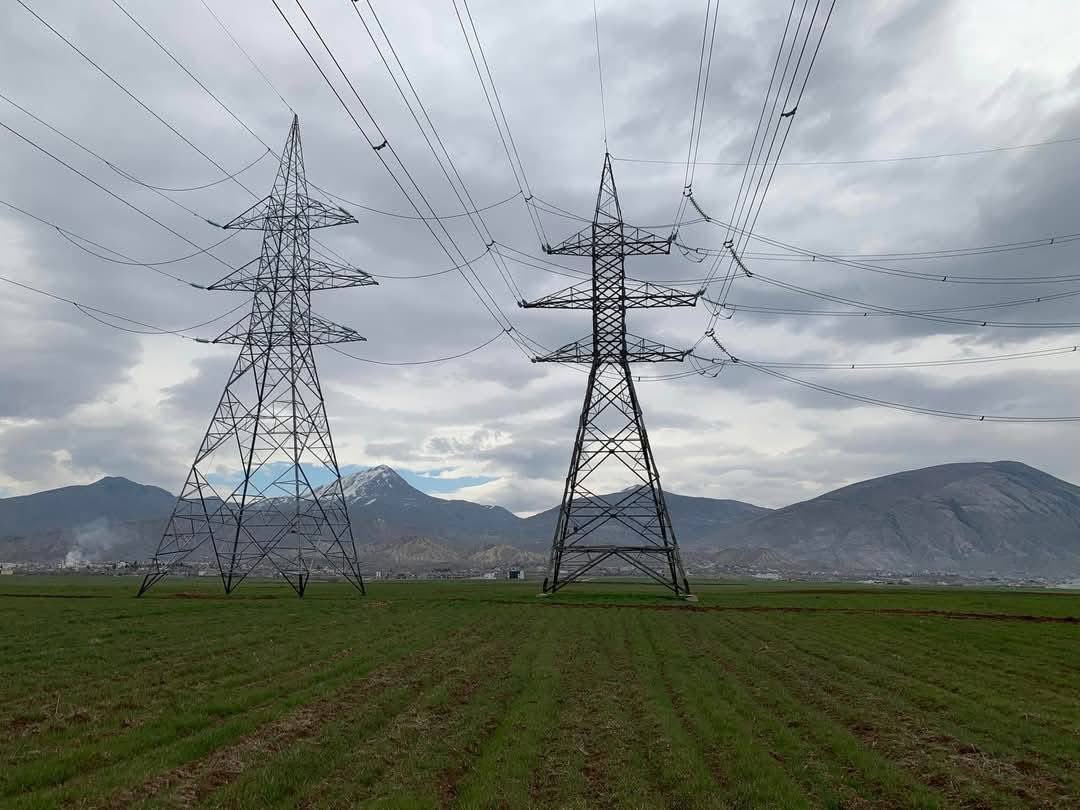
Kamal Mohammed, Kurdistan Region’s Minister of Electricity, announced that the KRG’s “Light Project” is designed to provide 24-hour national power at a cost lower than the combined rates of private and national power.

This follows concerns from residents in Erbil, who took part in the project and expressed dissatisfaction over the high electricity costs. 📸: Ministry of Electricity/ file
Image

🌍 Dinar Revaluation & Global Financial Reset: March 2026 Updates

📰  March 2026: Key Dinar & Global Finance Updates March 2026 has been a busy month for Dinarians, with multiple updates spanning the  I...