DINAR EXCHANGE
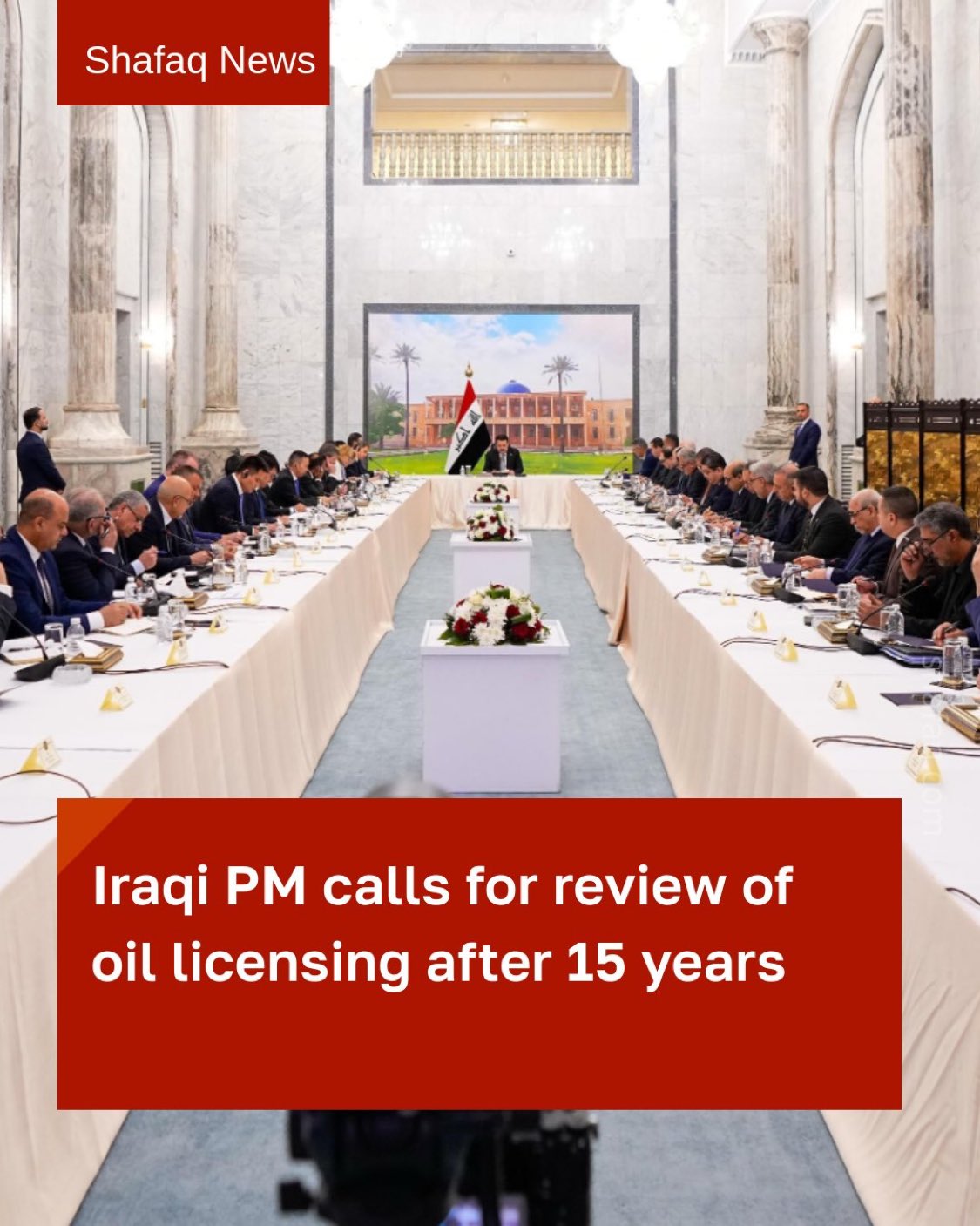
Iraqi Prime Minister Mohammed Shia’ al-Sudani has called for a comprehensive review of the country’s oil licensing contracts, marking a significant shift in Iraq’s energy policy after 15 years of technical service agreements (TSAs). This move aims to address financial inefficiencies, environmental concerns, and to attract more international investment into Iraq’s oil and gas sector.
Background: Technical Service Agreements
Since 2009, Iraq has engaged international oil companies (IOCs) through TSAs, where companies are paid a fixed fee per barrel produced. While this model helped boost production, it has been criticized for offering limited incentives for companies to invest in long-term infrastructure and for not aligning with Iraq’s broader economic goals.
The Push for Reform
Prime Minister al-Sudani has emphasized the need to transition from TSAs to more flexible contract models, such as production-sharing agreements (PSAs). This shift is intended to make Iraq’s oil sector more attractive to foreign investors and to better manage the country’s vast oil resources. The Prime Minister stated that the delay in reforming these contracts has resulted in significant financial and environmental losses for Iraq .
New Licensing Rounds
In line with these reforms, Iraq has launched the fifth supplementary and sixth licensing rounds, offering 29 oil and gas projects across 12 governorates. These rounds are expected to increase Iraq’s oil production by over one million barrels per day and gas production by more than 3.4 billion standard cubic feet per day . The government has also expressed a commitment to ending the flaring of associated gas within the next 3–5 years, aiming to reduce environmental damage and improve energy efficiency.
Challenges Ahead
Despite these initiatives, Iraq faces challenges in attracting a diverse range of international investors. Security concerns and bureaucratic hurdles have limited participation to primarily Chinese firms in recent bidding rounds. Analysts suggest that Iraq needs to further reform its contract models and improve the investment climate to draw interest from a broader spectrum of IOCs .
The Prime Minister’s call for a review of oil licensing contracts represents a pivotal moment for Iraq’s energy sector, with the potential to reshape its economic landscape and environmental footprint.